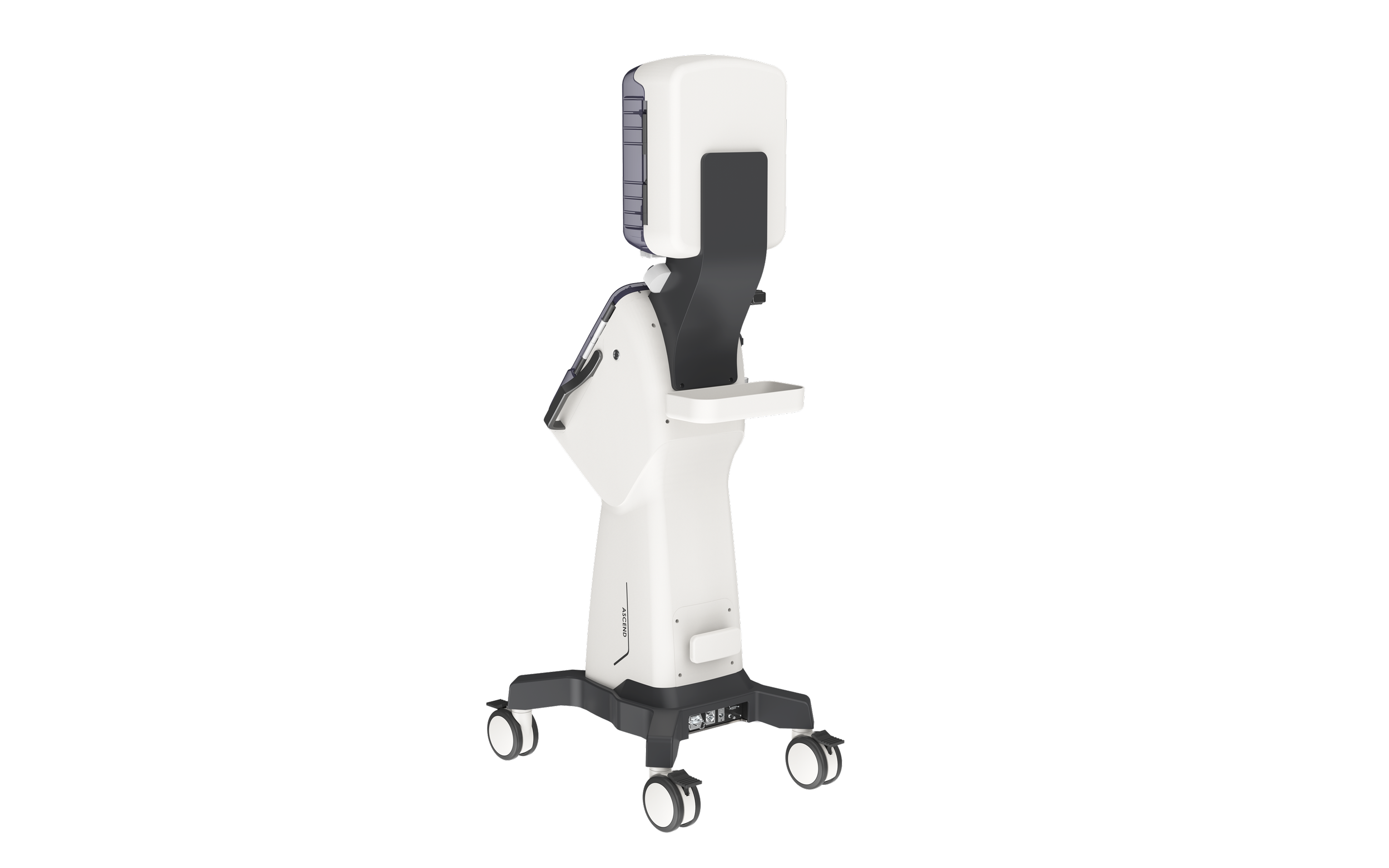
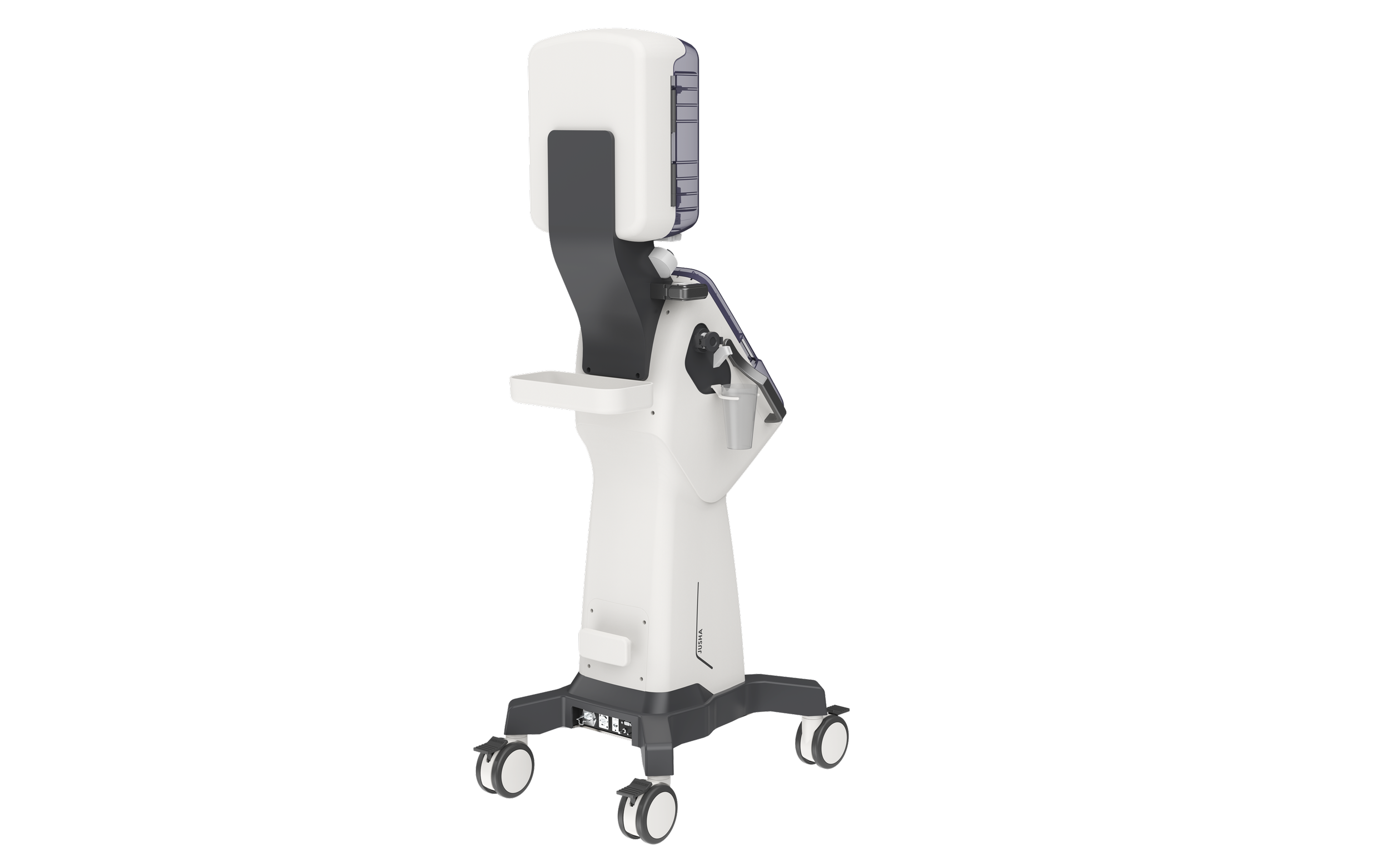
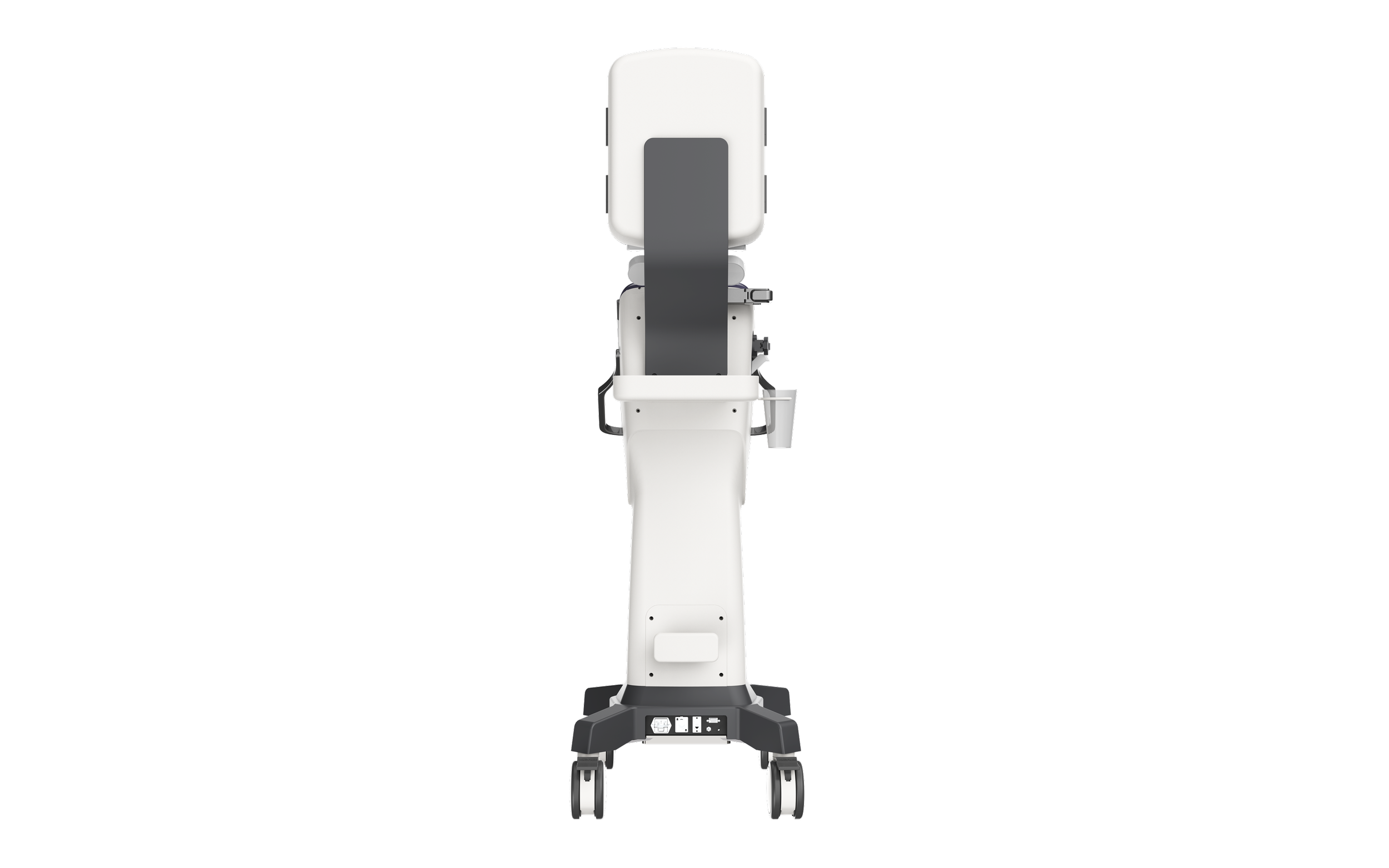


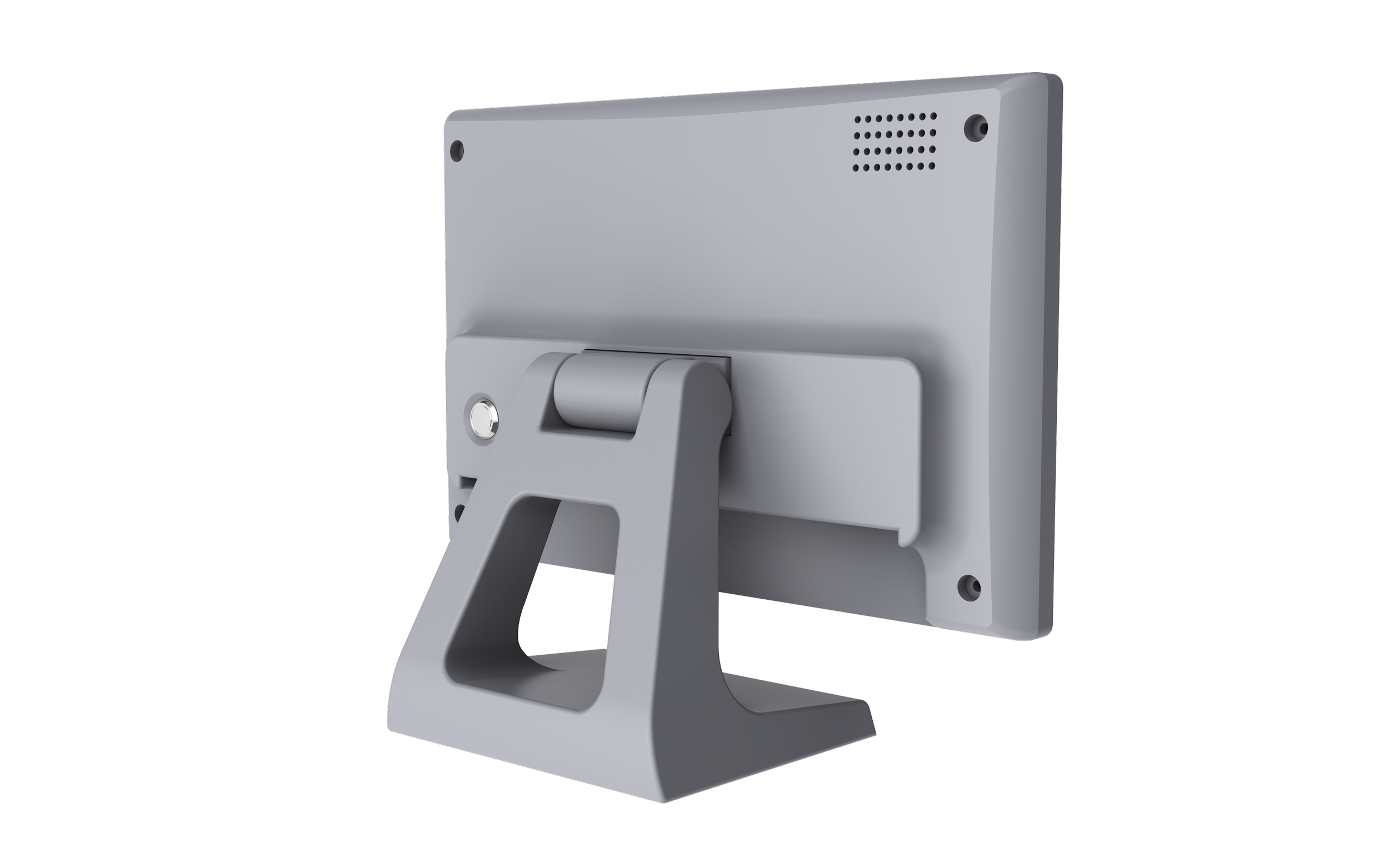
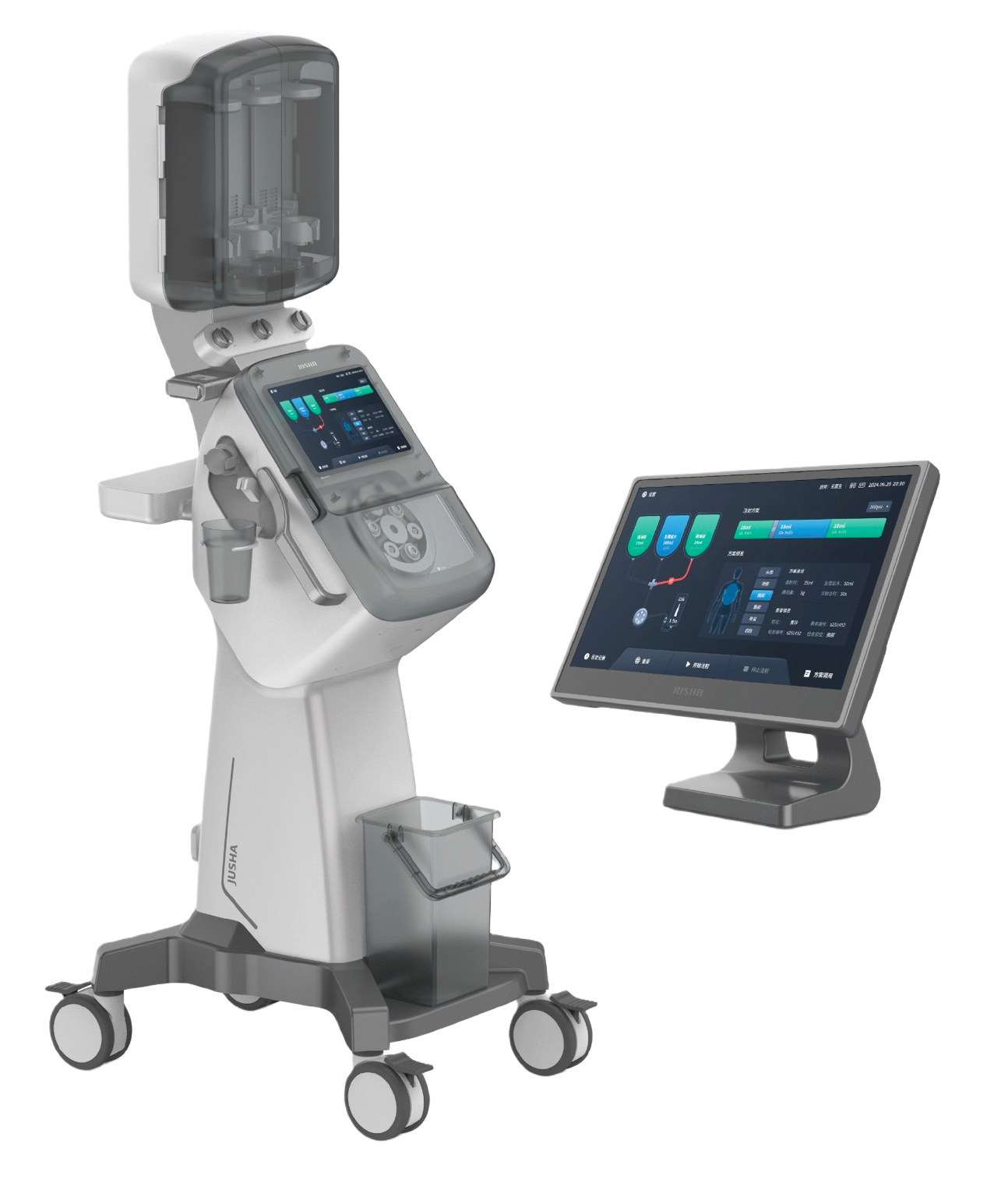
Intelligent High-pressure Injection System
Clinical Pain Point
Rolling pump high-pressure syringes lack dual-flow function- ality, limiting clinical contrast injection protocol options, resulting in a single contrast agent injection mode that affects the clarity of contrast imaging. This leads to suboptimal vascular visualization in some cases, making it difficult to meet the precise diagnostic requirements for complex lesions.
Our Solution
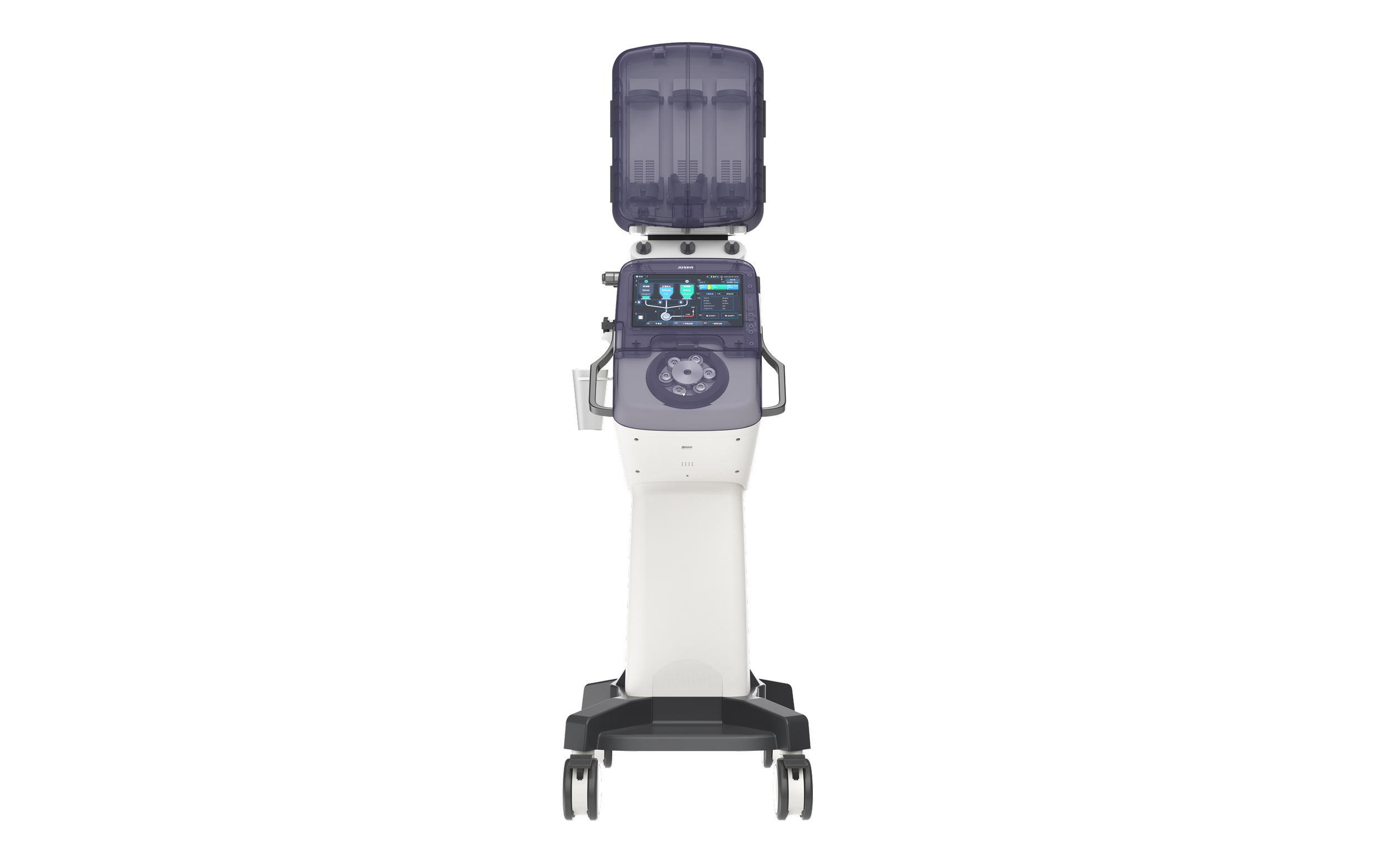
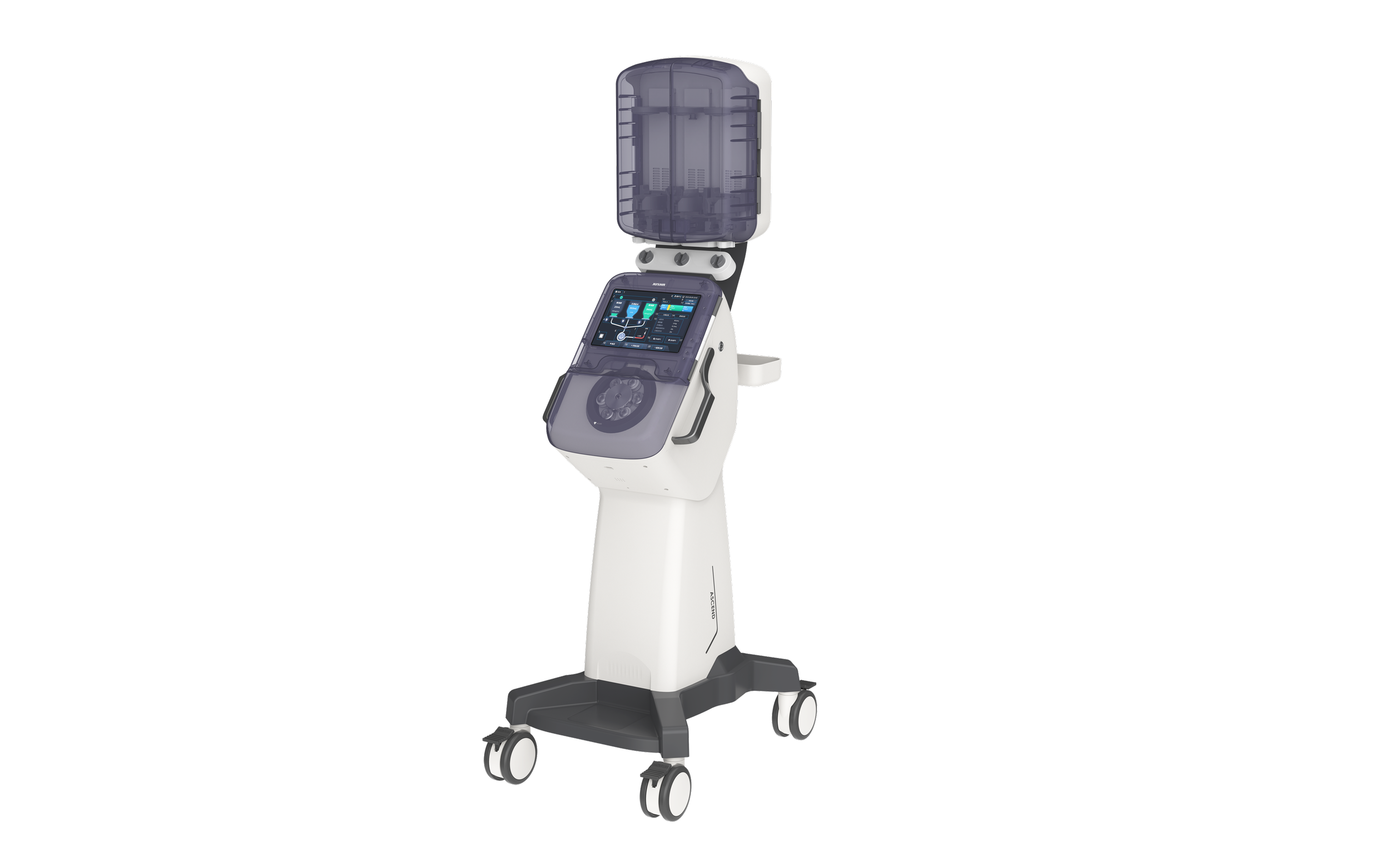
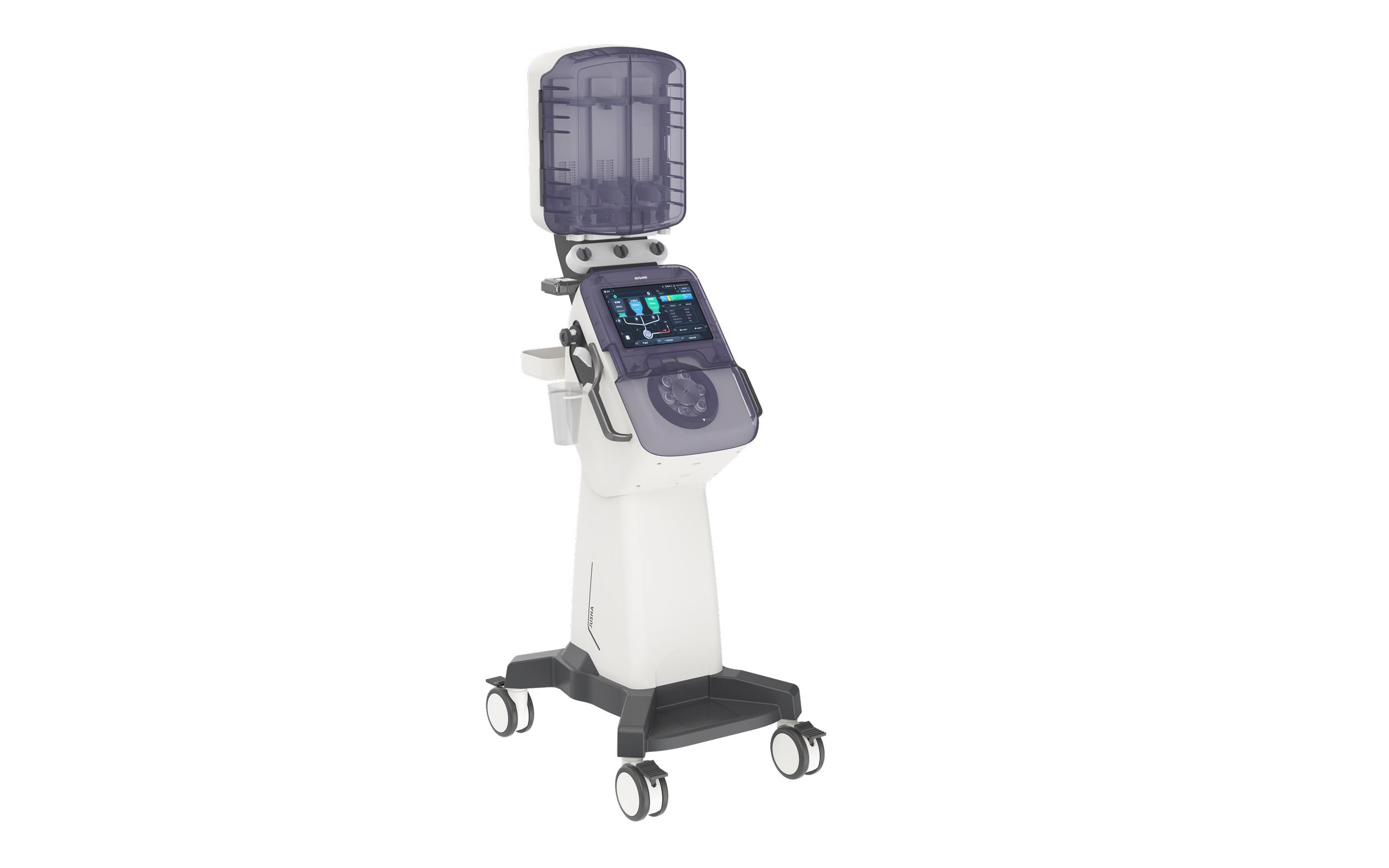
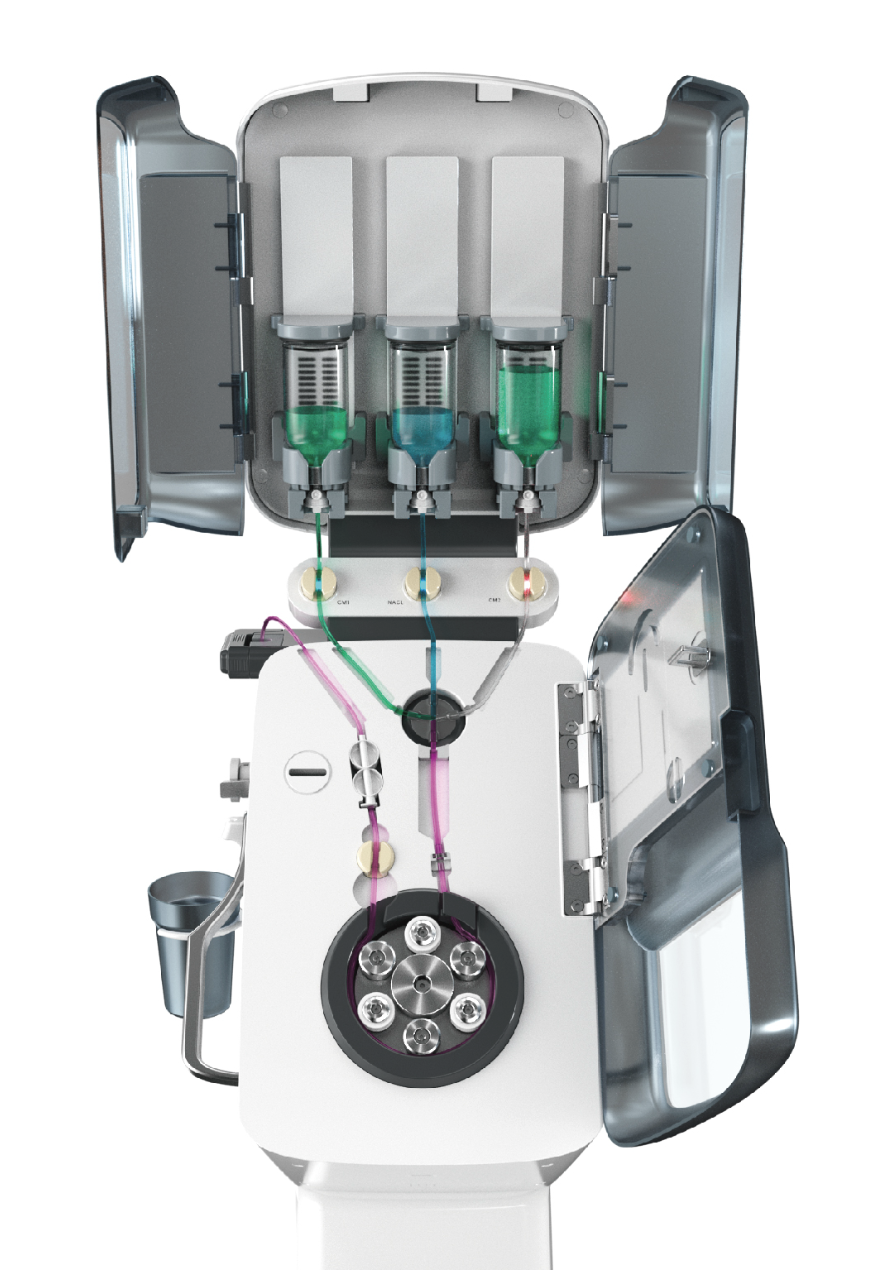
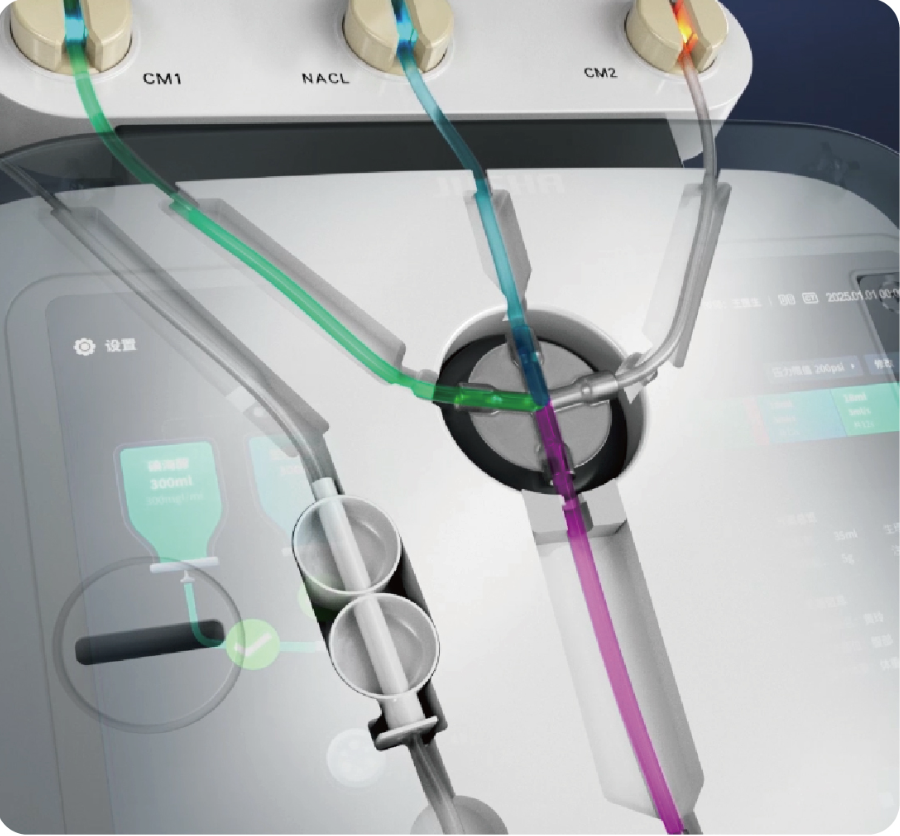
Jusha's proprietary high-precision variable mixing dual-flow technology allows for arbitrary selection of contrast agent and saline solution ratios, breaking through long-standing industry technical barriers. This enables the Ascend to be "one machine suitable for all scenarios."
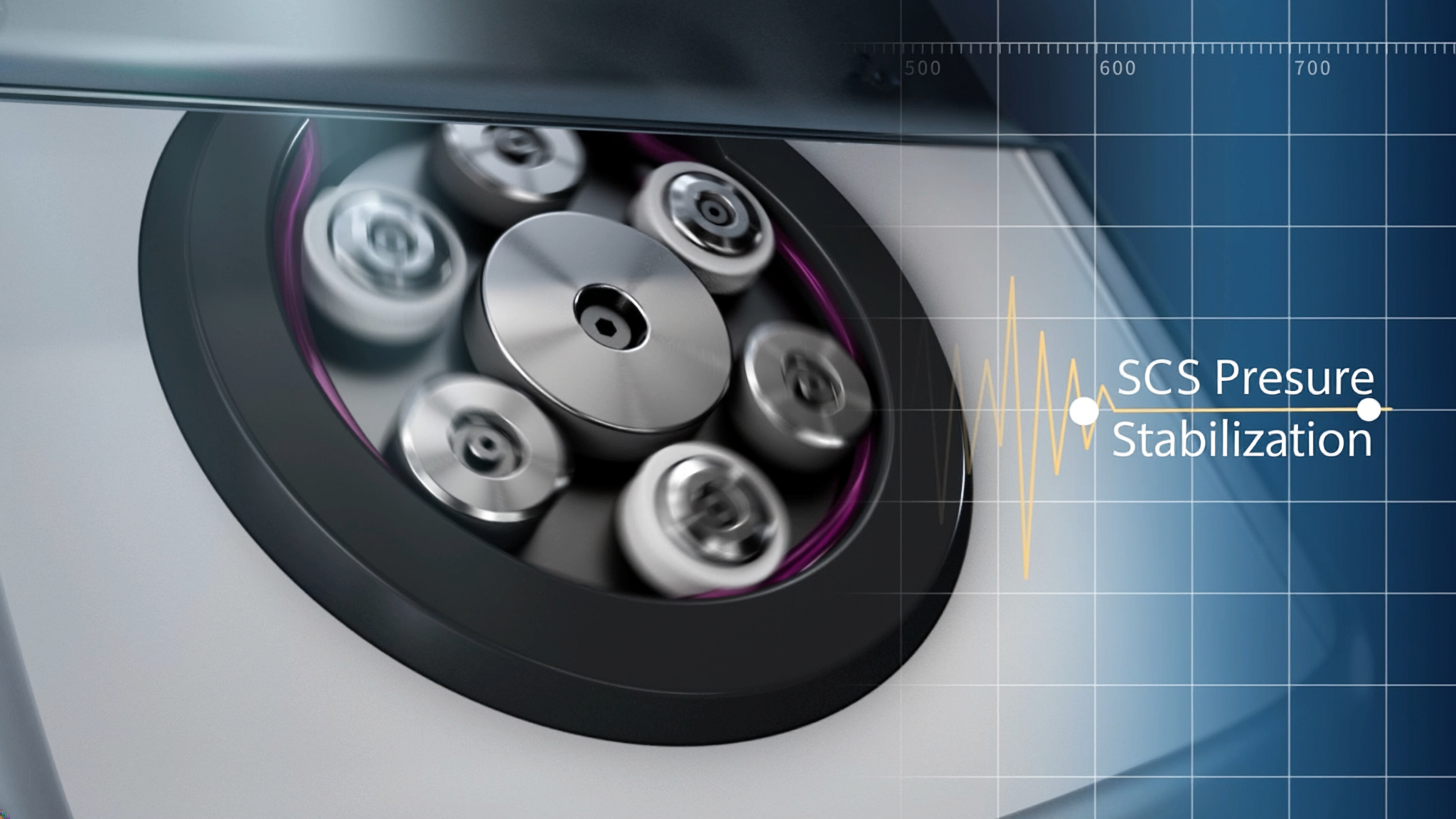
SCS Pressure Stabilization System
Due to significant pressure fluctuations during the injection process, roller pump high-pressure syringes cause the actual injection dose to deviate from the preset value, resulting in unstable contrast agent delivery and affecting imaging results.
Jusha's proprietary SCS Pressure Stabilization System employs precise pressure control technology to maintain a constant injection rate, ensuring that the actual injection dose closely aligns with the preset value, thereby guaranteeing clear contrast imaging.
The Next Gen
Injection System
Intelligent Dual-Flow Matrix
Dual-flow injection involves setting an appropriate ratio to simulta- neously inject contrast agent and saline. Its application advantages include:
Differentiated Imaging In coronary CT angiography (CCTA), it can construct a significant density difference between the left heart chambers and coronary artery system and the right heart system, effectively improving the contrast resolution between the target vessel and adjacent structures. This technology is also applicable to pulmonary circula- tion imaging, enabling personalized injection protocols through bidirectional adjustment to prioritize pulmonary artery enhance- ment or focus on pulmonary vein visualization.
Reduced contrast agent artifacts Through the laminar dilution effect of saline, the mixing time between contrast agent and blood is significantly reduced. Clinical data shows that dual-flow technology can reduce contrast agent concentration in the superior vena cava-right atrium region, significantly suppressing the occurrence rate of beam hardening artifacts (Beam Hardening Artifact).
Reducing nephrotoxicity Based on pharmacokinetic parameters, a dose-effect model is established. Under the premise of ensuring diagnostic efficacy, dual-flow technology can significantly reduce contrast agent dosage, thereby lowering contrast agent nephrotoxicity and the incidence rate of allergic reactions.
Ultimate Power Engine
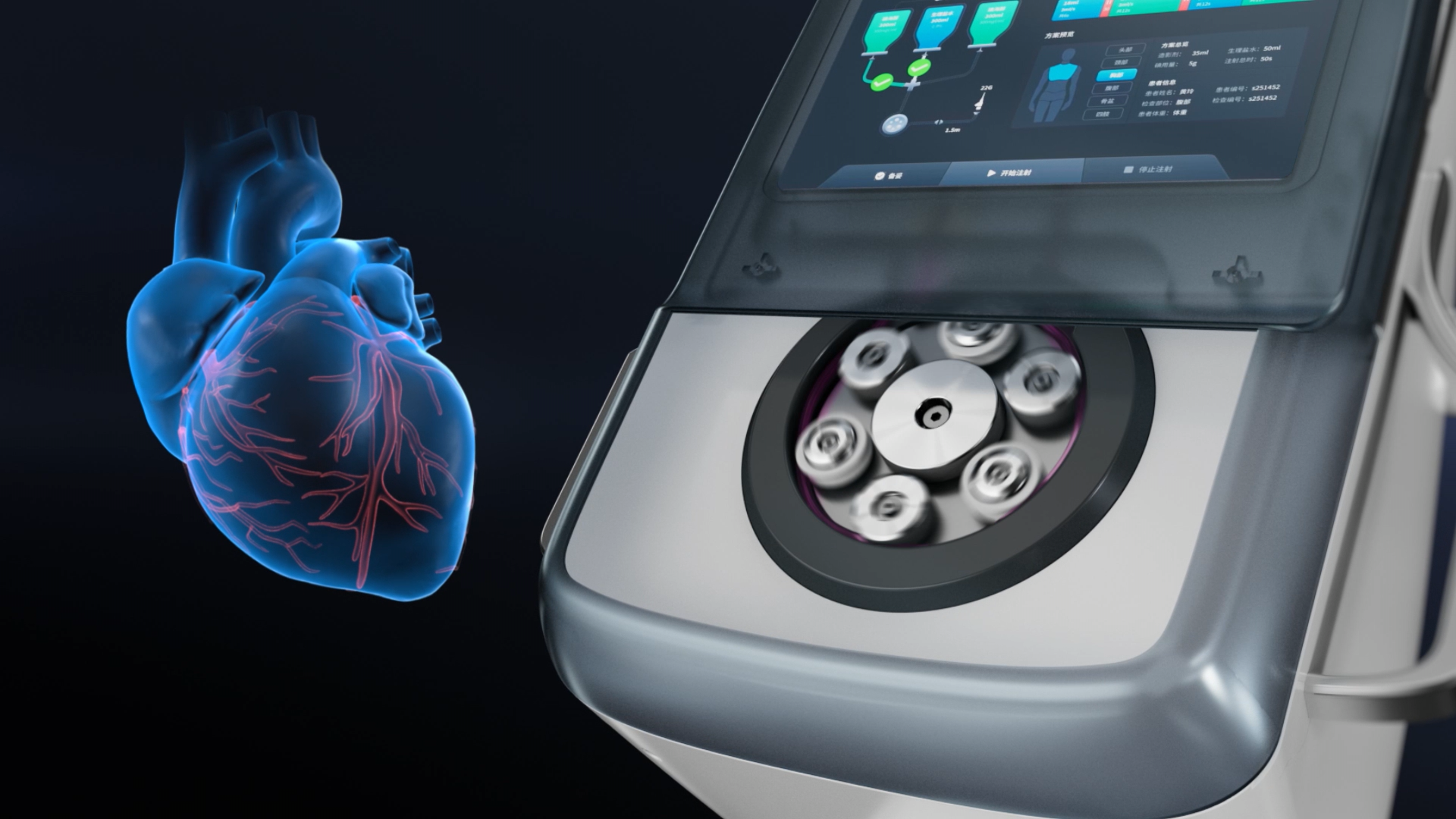
Due to mechanical structure limitations and insufficient pressure, roller pump high-pressure syringes experience performance degradation in high-speed imaging scenarios. They are unable to maintain stable fluid pressure output under high flow rate requirements, directly affecting the accuracy and timeliness of imaging.
With its advanced ultra-high-pressure drive system, it can deliver stable pressure up to 325 psi, perfectly suited for various high-flow contrast imaging scenarios such as CT angiography, cardiac CT examinations, and CT perfusion studies.